
Planting Rowan Trees for Wildlife: A Seasonal Checklist
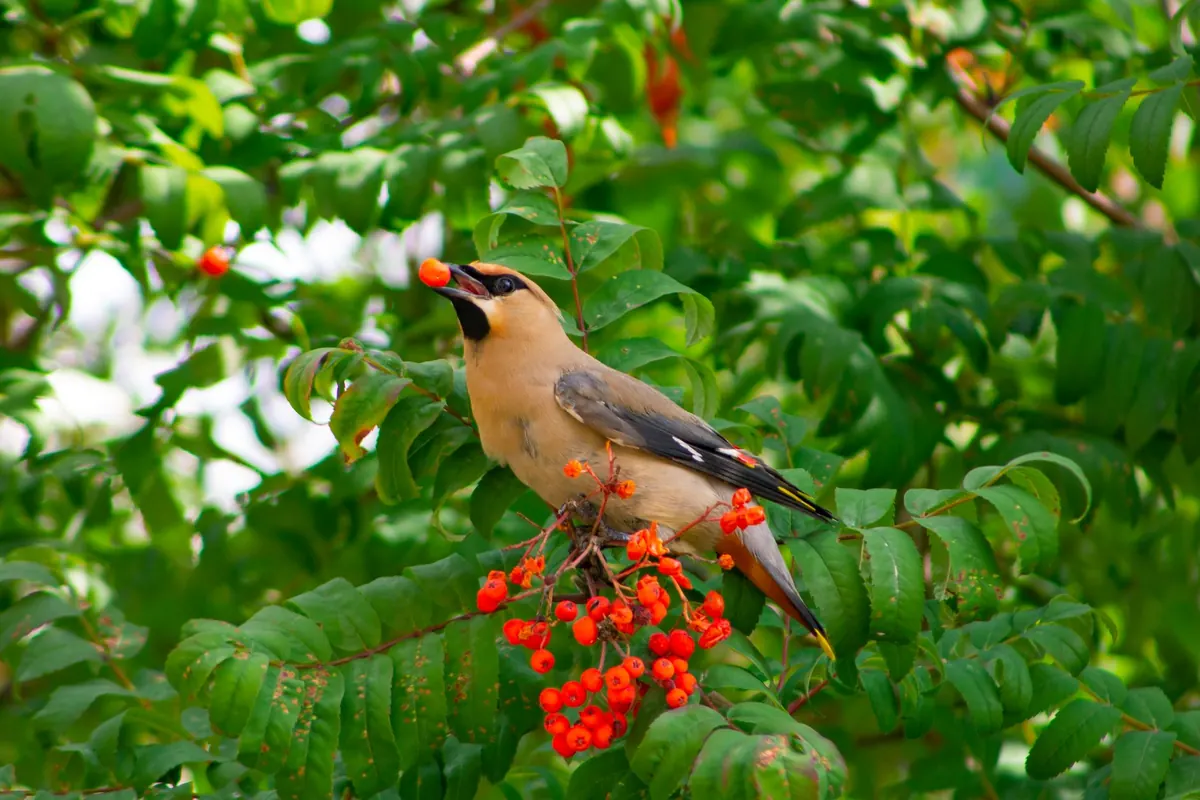
Plant a rowan and you plant a small ecosystem. Its clusters of creamy blossom bring in bees, hoverflies and beetles in late spring, and the berries that follow keep thrushes, redwings, fieldfares and waxwings going through the hardest weeks of the year. Rowan copes with wind, thin soil and cold, and it stays small enough for an ordinary garden. The secret is timing: planting, pruning and aftercare all go better when they follow the seasons rather than the weekend you happen to be free.
Pick the Right Rowan for the Space
The native rowan, Sorbus aucuparia, is the safe choice for wildlife and the easiest to grow. It reaches roughly 8–15 metres in time, with an upright habit that suits small gardens better than most trees. If you want a heavier crop or a different look, look at named forms: 'Sheerwater Seedling' is upright and generous with berries, while 'Joseph Rock' has yellow-orange fruit and superb autumn leaf colour.
Two practical points before you dig. First, rowans set more fruit when there's another rowan nearby to cross-pollinate, so plant two, or site yours within reach of a neighbour's tree. Second, berries stain. Keep the tree away from a driveway or a spot where a pale car sits, and away from the edge of a patio you use in autumn.
Autumn: Plant While the Soil Is Still Warm
Bare-root rowans go in from late October to early March while the tree is dormant, and the best of those months is November. Soil is still warm enough for roots to settle in before winter, and autumn rain does most of your watering for you. Container-grown trees can be planted almost any time the ground is workable, but they establish more slowly and cost more.
- Soak the roots of a bare-root tree in a bucket of water for an hour before planting. Trim any roots that are broken or circling.
- Dig a hole wider than the root spread and the same depth as the soil mark on the trunk. Fork the base to loosen it.
- Mix a few spadefuls of well-rotted compost with the excavated soil. Skip fresh manure, which burns young roots.
- Spread the roots over a cone of soil, checking that the old soil mark sits level with the ground. Backfill in layers, firming each with your heel.
- Water thoroughly, even if rain is forecast, then mulch in a ring 5–8cm deep, keeping it clear of the trunk.
- Stake on exposed or windy sites with a short stake and a flexible tie, and fit a spiral guard if rabbits or deer are about.
For a wildlife hedge or shelter belt, space rowans 3–4 metres apart. In an open group, give them 4–5 metres.
Winter: Prune Lightly and Leave Well Alone
Rowan is not a tree that wants shaping. Cut out dead, damaged and crossing branches in late winter, and remove a wayward shoot or two if you must. Avoid heavy pruning: rowans don't heal large wounds well, and big cuts invite canker. Never saw into old wood to reduce height — a rowan that's too tall is a rowan planted in the wrong place.
Winter is also the moment to check stakes and ties. Loosen ties as the trunk thickens, and plan to remove the stake after two or three growing seasons. And if you notice a nesting bird in spring, stop. Rowan branches are popular nest sites; leave any pruning until the following winter.
Spring: Water, Mulch and Hold Your Nerve
The first two summers decide whether your rowan thrives or sulks. In dry spells, give a young tree two full watering cans a week, poured slowly around the root zone rather than against the trunk. Top up the mulch each spring, but don't feed heavily — rich, nitrogen-heavy soil produces soft leafy growth and fewer berries.
Resist the urge to tidy the tree's shape in its early years, and don't deadhead anything. Every flower you remove in May is a berry missing in September.
Late Spring and Early Summer: The Pollinator Shift
Rowan blossom usually opens from late April into June, depending on how far north you are. The flat heads of small flowers are easy landing platforms for short-tongued insects, so hoverflies, solitary bees, and honeybees all work them. You don't need to do anything except avoid spraying. If you keep fruit trees nearby, note that rowan can carry fireblight, so keep an eye out for blackened, hooked shoots and prune them out well below the damage, cleaning your tools afterwards.
What to watch for
- Aphids on new shoots in June — usually harmless, and a food source for ladybirds and blue tits.
- Leaf-mining moths and sawfly larvae, which nibble leaves but rarely harm a mature tree.
- Drought stress in a young tree's first summer, which shows as curling leaves and early colour.
Late Summer and Autumn: Berries, Birds and a Light Clean-Up
Berries colour from late August onwards, with the main crop ripening through September and October. Some seasons the birds strip a tree in a fortnight; in mild years, fruit can hang until January, which is exactly when it matters most. Leave the berries on the tree. There is no better winter larder, and no better view from a kitchen window on a freezing morning.
Berries are edible for people once cooked — raw, they're mouth-puckeringly bitter and can upset a sensitive stomach — so if you want rowan jelly, take a small share from a mature tree and leave the rest. If you have any doubt about foraging or preparing them, get proper guidance first.
Autumn is also the time to clear fallen leaves from a patio to prevent staining, and to give the tree one last deep watering before the ground cools.
Your Seasonal Checklist at a Glance
- Autumn: plant bare-root trees, water in, mulch, clear fallen fruit and leaves from hard surfaces.
- Winter: prune only dead or crossing wood, check ties and guards, remove stakes after two or three years.
- Spring: water young trees in dry spells, refresh mulch, watch for fireblight and aphids.
- Early summer: leave the blossom alone, avoid spraying, enjoy the pollinators.
- Late summer and autumn: leave berries for the birds, take a modest share for jelly, clean up beneath the tree.
Do those few things and a rowan will reward you for decades, feeding insects in spring, birds in winter, and giving you a tree that looks right in almost any garden.
Photo: Ilya / Pexels