
Why Your Rowan Tree Has No Berries: 7 Common Causes and Fixes
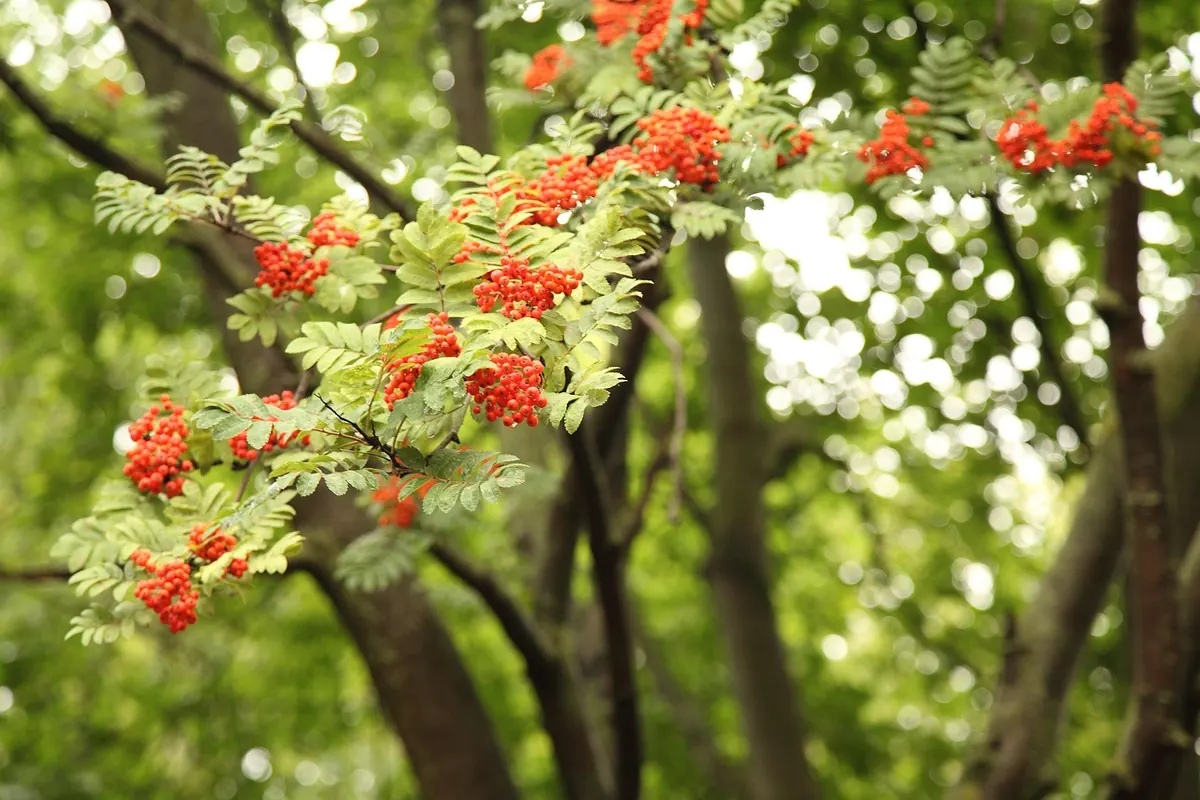
You planted a rowan for the birds, the blossom and that froth of orange in September — and then autumn arrives with nothing on the branches. It is a common disappointment, and rarely a permanent one. Rowans are generous croppers once they settle, but a lot has to go right between a May flower and an autumn berry. Work through these seven causes in order and you will usually find yours.
1. The Tree Is Still Too Young
A rowan grown from seed can spend a decade or more building roots and trunk before it produces a single flower. If yours was a self-sown seedling in the hedge, or a whip from a packet of seed, patience is genuinely the answer. Grafted and named cultivars usually flower much sooner, often within three to six years of planting.
The clue is in the spring: a tree with plenty of flowers but no fruit has a pollination or weather problem. A tree that never flowers at all is usually young, shaded, or has been pruned into permanent adolescence. Also check the base for suckers from the rootstock. If the named top died back and a plain seedling has taken over, you still get a rowan — just a later and lighter fruiting one.
2. Pollination Failed
Rowan flowers are small, creamy-white and carried in flat clusters on short shoots. Turning those into berries needs pollen to move, and a stretch of decent weather while it happens.
A single tree may not be enough
Our native Sorbus aucuparia is largely self-fertile, so one tree can fruit alone. Even so, fruit set is usually better when a second rowan or another Sorbus is flowering nearby. If your tree stands isolated with no rowan within a few gardens or streets, expect a lighter crop. Named cultivars vary a great deal — some set fruit without pollination altogether, others need a partner. If you have room, a second rowan is the simplest long-term insurance.
Bad weather at blossom time
Rowans flower in late spring, when insects are still unreliable. Bees stay in during cold rain, strong wind dries the stigmas, and a frost while the tree is in full flower can kill the developing blooms outright. If last year's blossom went brown and dropped within a few days of a cold snap, that is your explanation. Nothing to fix — just wait for a kinder spring.
3. You Pruned At the Wrong Moment
This is the most common cause in gardens, and the most fixable. Rowans flower on short, stubby spurs carried on wood that is at least a year old, mostly towards the outside of the canopy. Two habits do the damage:
- Spring pruning. Cutting back growth in March or April removes the very shoots that would have carried this year's blossom.
- Shearing and hedging. Trimming a rowan like a hedge strips the flowering spurs and keeps pushing the tree back into leafy juvenile regrowth, year after year.
Prune lightly in late summer after fruiting, or in winter while the tree is fully dormant, and only thin or remove damaged wood. If you have taken out more than about a quarter of the canopy, expect one or two lean years before it settles.
4. Weather Through the Whole Season
Pollination is only the first hurdle. Once the fruit has set, the tree needs steady moisture to carry it through to ripening. A dry June and July — especially on sandy or shallow soil — will make a rowan drop its young berries to protect itself. Waterlogged ground is just as bad, because damaged roots cannot supply the crop.
Young trees are the most vulnerable. Water deeply during dry spells for the first few seasons, and mulch in spring to hold moisture in. Established rowans on good soil rarely need help.
5. Too Much Feed, Not Enough Light
Rowans are modest feeders. A tree standing in a regularly fed lawn, or one given a general-purpose fertiliser each spring, tends to push soft leafy growth instead of flower buds. Nitrogen encourages shoots; fruit needs the tree to slow down and ripen wood.
Light matters just as much. A rowan in deep shade may flower sparsely or not at all, and any berries it does set will be small. Full sun to light shade is ideal. Keep grass, ivy and weeds clear for about 60cm around the trunk so the roots are not competing for water and nutrients.
6. Pests, Disease and Birds
Sometimes the berries were there, and something else got them first.
- Birds. Blackbirds, redwings, fieldfares and waxwings can strip a rowan in a few days. A tree that is loaded one morning and bare the next has not failed — it has been harvested.
- Bud-eating finches. Bullfinches and other finches take fruit buds in late winter and early spring, which shows up later as a thin, patchy blossom.
- Aphids and sawfly larvae. These distort young shoots and leave sticky honeydew, weakening the tree's effort at fruiting.
- Canker, fireblight and silver leaf. Look for sunken lesions, dead branch tips and peeling bark. Dieback removes fruiting wood year on year, so prune out affected branches in dry weather and clean your tools between cuts.
7. Rowans Often Fruit Every Other Year
Even a healthy rowan is not a machine. Left to itself it tends to alternate: a heavy crop one autumn, very little the next. The tree spends its reserves on the big crop and forms fewer flower buds for the following year. If you were picking berries by the bowlful last September, a sparse year now is completely normal.
Very old trees also crop more lightly, and a tree that has never been thinned can end up crowded and shaded in its own centre.
What To Do Next
- Check whether it flowered. No blossom at all points to youth, shade or hard pruning; blossom but no fruit points to pollination or frost.
- Put the shears away for two years and let the spurs develop.
- If the tree stands alone, plant a second rowan or another Sorbus nearby.
- Stop feeding the lawn around it, or at least keep the fertiliser well away from the root zone.
- Clear competing grass and weeds, then mulch in spring.
- Water young trees properly through dry spells.
- Look at the tree at dawn in late September — before the birds start work — to be sure the crop really is missing.
Give a rowan the light, the space and the quiet it needs and it will usually come good. Most of the trees gardeners complain about are simply young, over-trimmed or standing alone. Fix one of those, and next autumn you may find yourself arguing with the blackbirds instead.
Photo: Ottabatta / Pixabay